" " indicates required fields
If you haven’t noticed, Dvir Reznik, our VP of Marketing, is somewhat of a petrolhead. Like many others, he shared his thoughts on Apple’s sunsetting of Project Titan. But LinkedIn is bite-size, while on our blog we prefer bigger chunks – so we asked Dvir to elaborate a bit more.
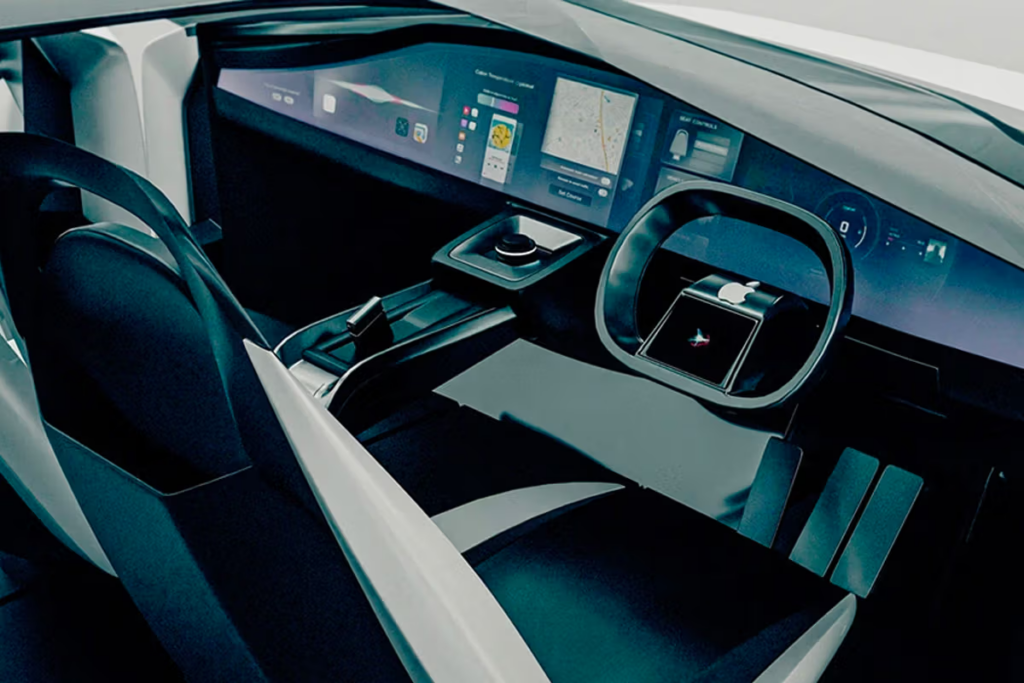
Over the past decade, the automotive industry has undergone significant changes. Technology giants like Apple have shown interest in entering the market, which has had a profound impact on the sector. TechCrunch published a timeline of Apple’s decade-long Project Titan, which aimed to develop an autonomous electric vehicle (EV). Although the project was ultimately shelved, its influence on the automotive industry cannot be ignored. Here are Dvir’s three key takeaways from the Apple Car saga:
When rumors of an Apple Car began to circulate, the automotive industry, often perceived as a “brick and mortar” sector, suddenly found itself in the spotlight. The idea of a tech giant like Apple entering the market attracted massive media attention and capital. This newfound interest not only transformed the automotive industry into the “cool kids on the block” but also compelled established automakers to reevaluate their strategies and prioritize innovation.
This attention catalyzed change, pushing automakers to shed their traditional image and embrace the future. Established players began investing heavily in research and development (R&D), exploring technologies such as autonomous driving systems, and connected car features.
The industry’s transformation was driven by the realization that to stay relevant in the face of potential disruption from tech giants, they needed to adapt and innovate at an unprecedented pace, while forging new partnerships to scale product development.
The Apple Car buzz led to an influx of talented professionals into the automotive industry. The prospect of working on a groundbreaking project enticed developers, engineers, scientists, marketers, product managers, and financiers to consider careers in the automotive sector.
This trend also influenced many students, who chose junior positions in automotive companies over other industries. The Apple Car phenomenon played a crucial role in attracting top talent to the automotive industry.
The chance to be part of a groundbreaking project and shape the future of transportation proved to be a compelling factor in their decision-making process. As a result, the automotive industry witnessed a surge in young talent, eager to contribute to the development of next-gen vehicles.
The Apple Car and Project Titan significantly contributed to the impulsion of software within the automotive industry, coining the term Software-Defined Vehicles (SDV). Between 2015 and 2018, there was a surge in interest and belief in the potential of CASE technologies (Connected, Autonomous, Electric, and Shared), fueled by the idea of Apple joining the race.
While other companies had already been working on autonomous driving technologies, the prospect of Apple entering the fray brought unprecedented attention and resources to the field. The tech giant’s reputation for innovation and its vast financial resources led many to believe that autonomous vehicles could become a reality sooner than previously anticipated, sparking a frenzy of investment and research in the domains of computer vision, cloud computing, sensors, chips, and more.
Established automakers and tier-one suppliers ramped up their efforts in developing CASE technologies, forming partnerships with tech companies, and investing in startups specializing in these domains. The increased competition and collaboration accelerated the pace of innovation, leading to significant advancements in sensor technology, machine learning (ML) algorithms, and vehicle-to-everything (V2X) communication systems.
C2A Security is the only risk-driven DevSecOps platform vendor that addresses the specific needs of car makers, Tier 1 suppliers, and mobility companies. Our DevSecOps platform is trusted by BMW Group, Siemens, Valeo, ThunderSoft, Marelli, NTT Data, and Evvo Labs, among others. Schedule a meeting to explore how we can assist your team.