" " indicates required fields
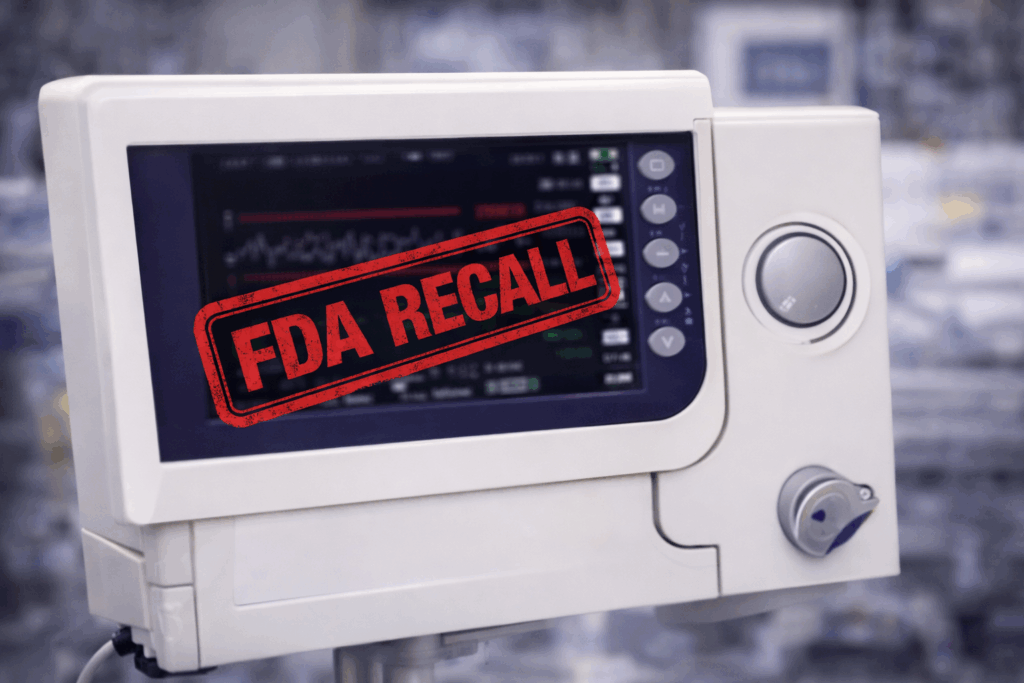
The recent FDA Class I recall and safety alert involving Abiomed, Inc.’s Automated Impella Controller (AIC), due to cybersecurity vulnerabilities, is a powerful reminder that cybersecurity is no longer a peripheral engineering concern, it is a core product-safety requirement with direct patient-impact implications.
The FDA described the vulnerabilities as posing “unacceptable residual risk,” noting that exploitation of these weaknesses could affect the essential performance of the AIC, potentially resulting in loss of device control, unexpected pump stoppage, or life-threatening harm. This level of regulatory language underscores a shift that manufacturers can no longer ignore – cybersecurity maturity, processes, tooling, and operational discipline, are now inseparable from regulatory compliance and patient safety.
According to FDA, Abiomed identified vulnerabilities related to both network and physical access, vulnerabilities which, if exploited, may compromise the critical operating system of the Automated Impella Controller. Despite the discovery being credited to internal cybersecurity assessments, the corrective action being communicated is blunt: disable the device’s network capabilities or remove it from the hospital network entirely.
Under Section 524B and global regulatory expectations, FDA now anticipates traceability from architecture to SBOM to threat models to vulnerability-handling processes. The legacy, siloed approach is no longer viable.
The FDA’s instruction to “disable network capabilities” places hospitals in an impossible bind:
With the January 2025 notice of proposed rulemaking from the U.S. Health and Human Services (HHS) recommending major updates to the HIPAA Security Rule, including continuous asset-inventory, network-mapping, and regular risk-analysis requirements, hospitals (as HIPAA-covered entities) are clearly expected to expand their cyber-risk monitoring and oversight of deployed, networked devices.
The Abiomed alert is not about a single product or manufacturer. It reflects a broader industry challenge: cybersecurity processes remain reactive, manual, and disconnected, even as devices grow more interconnected and software-driven.
A modernized approach requires unified orchestration, including:
The Abiomed alert is more than a news event. It is a defining moment for MedTech cybersecurity and proof that vulnerabilities in connected devices can rapidly escalate into Class I safety actions. Manufacturers will increasingly be evaluated not only by the security posture of their products, but by the maturity and discipline of their cybersecurity processes.
Manufacturers and hospitals who adopt unified, lifecycle-based cyber risk orchestration will be best positioned to stay ahead of regulation, maintain trust, and protect patient outcomes.
The urgency is real. The roadmap is clear. Now is the time to move.
The C2A EVSec platform unifies product-security data and automates the workflows needed to manage vulnerabilities across the full device lifecycle:
These capabilities are essential not just for preventing future recalls, but for enabling transparent, timely responses when vulnerabilities are discovered.



Dynamic threat modeling and risk assessment aligned with global regulations
LLM-agnostic generative AI layer powering automation across every module
Aggregated threat feed contextualized against your actual products
Generate, manage, and triage all BOMs and vulnerabilities across the lifecycle
Quantitative optimization of mitigation strategy and security control allocation
Configurable dashboards and reports across every EVSec data layer
Extract software composition and risk from firmware and binaries without source code
Optimized anomaly detection for Ethernet and CAN, plus ECU runtime protection
Quantify and manage cybersecurity risk for products operating in the field
Enrich SOC events with deep product and architecture context
Context-driven test and validation with intelligent fuzzing, integrated into CI/CD
AI-powered static analysis integrated into CI/CD with reduced false positives
Foundational layer: cyber model, workspaces, and integration backbone to DevOps toolchain
Out-of-the-box and customizable workflows for regulatory and security processes
Centralized compliance management with evidence generated from live data