" " indicates required fields
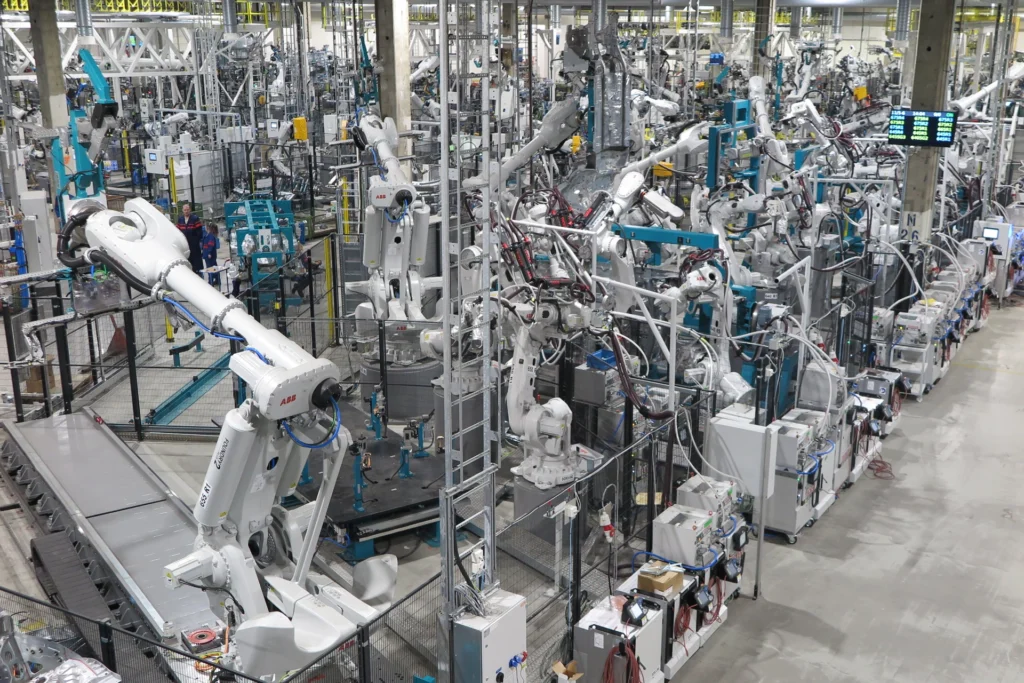
Modern robotics systems are high-tech marvels with many functions connected to the internet. Thanks to advanced connectivity options (like 5G and satellite communications), robotics systems can operate seamlessly, even in remote locations. This connectivity allows for the implementation of innovative solutions and advanced technologies to enhance operational efficiency and functionality. However, the internet connectivity of these systems also exposes them to various cyber threats, making cybersecurity a top priority. Imagine a hacker gaining control over critical systems, potentially causing disruptions or catastrophic failures.

The robotics sector is unique in its challenges, as it intersects with various industries, and its applications are often critical. Robotic systems frequently operate in environments where both digital and physical safety are of utmost importance. For example:
Given these diverse and high-stakes applications, the robotics sector must adhere to stringent cybersecurity standards to ensure digital and physical safety. Compliance with these standards is not just a regulatory requirement but a fundamental necessity to protect the integrity and reliability of robotic systems.

The Critical Role of DevSecOps Automation
DevSecOps automation is a critical factor in the cybersecurity of robotics systems. Here’s why:
Cybersecurity has never been more crucial in the rapidly advancing field of robotics. With the increasing integration of internet connectivity and smart devices, staying informed about the latest cybersecurity measures is essential to protect autonomous systems and ensure their safe and efficient operation. Automated threat response systems provide several benefits:
Implementing robust cybersecurity strategies and adhering to industry-specific compliance standards will help mitigate risks and safeguard the future of robotics technology. DevSecOps automation further enhances these efforts by ensuring continuous, scalable, and reliable protection against evolving cyber threats.