" " indicates required fields
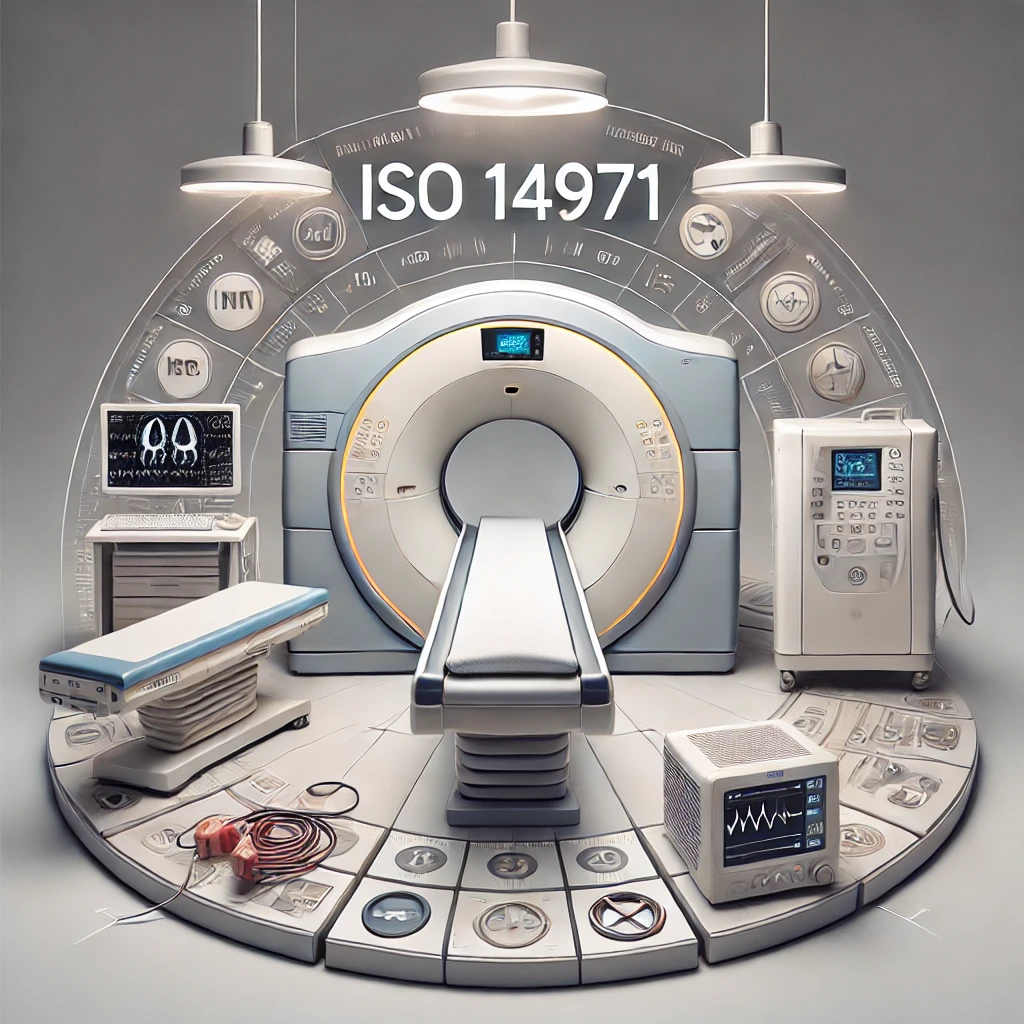
As medical technology evolves, so must the safety, efficacy, and compliance standards. ISO 14971, the cornerstone of risk management for medical devices, has been updated to meet the challenges of the current and future complex healthcare landscape. The 2019 edition brings new principles, expanded terminology, and critical updates to align with regulatory frameworks like the Medical Device Regulation (MDR).
At its core, ISO 14971:2019 outlines a risk management framework that supports manufacturers in identifying, evaluating, and mitigating risks associated with medical devices, including software as a medical device (SaMD). It integrates industry practices and introduces a dynamic approach to risk management.
Risk management in the medical device industry is grounded in key principles known as ‘Risk Basics.’ These principles guide identifying, assessing, and controlling risks throughout a device’s lifecycle, aligning with regulatory expectations like the FDA’s cybersecurity guidance, which stresses the need for an ongoing and comprehensive risk management process.
ISO 14971:2019 – What’s the Scope?
The scope now explicitly includes software as a medical device (SaMD), not just traditional medical devices and in vitro diagnostic (IVD) devices. Introducing 3 critical terms:
These terms emphasize a holistic view of risk management, focusing on real-world usage and evolving technologies.
1. Revised Risk Management Process
Not just defining and documenting a process but implementing it in a process:
2. Benefit-Risk Analysis
The benefit-risk analysis has been redefined, placing greater emphasis on benefits. If residual risks outweigh benefits, manufacturers are now explicitly allowed to change the device or its intended use, a practice now codified in the standard.
3. Overall Residual Risk Evaluation
Manufacturers must define methods and acceptance criteria for evaluating overall residual risk in their risk management plans. These criteria can differ from those used for individual risks, allowing for a more tailored approach.
4. Continuous Monitoring and Production Activities
Risk management extends into production and post-production phases, requiring manufacturers to:
A dynamic approach to risk management is essential in the fast-paced and ever-evolving landscape of medical device cybersecurity. Unlike static measures, which remain fixed and unresponsive to new threats, dynamic risk management continuously assesses and adapts to the changing threat landscape. This involves contextual vulnerability management, which evaluates risks based on their context, impact, and feasibility, ensuring that the most critical threats are prioritized and addressed.
To enhance the overall robustness of medical systems, integrate key elements such as dynamic risk management with comprehensive compliance measures and receive a holistic product security platform. The true strength of a holistic security platform lies in its ability to seamlessly integrate Threat Analysis and Risk Assessment (TARA) with a Software Bill of Materials (SBOM), ensuring a proactive and transparent security posture using the same foundation.
This integrated approach offers significant advantages over traditional methods, focusing on isolated components and static safety measures. By embracing a holistic platform developed from the same building blocks, companies can reduce time to deployment, lower costs, and optimize resource allocation, ultimately achieving comprehensive risk management and operational efficiency.
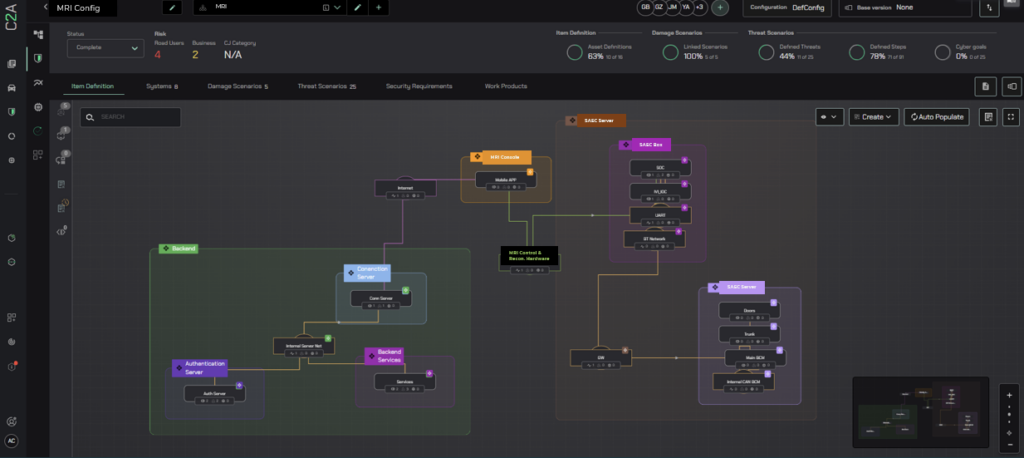
C2A Security’s risk management, compliance, and automation product security platform embodies this dynamic approach by embedding security into every phase of the product lifecycle and Standard requirements:
Dynamic Risk Management
Security and Operations by Design
Continuous Monitoring and Reporting
C2A Security’s EVSec Platform empowers software-defined companies to develop more secure products and shorten time-to-market.
As the only context-driven product security platform for Premarket Approval and Postmarket Surveillance, our leading DevSecOps Product Security platform leverages dynamic risk, BOM, and Vulnerability management, as well as attack path triage, to ensure targeted protection and seamless compliance for the development and operations of medical devices.
Schedule a demo today to learn more.