" " indicates required fields
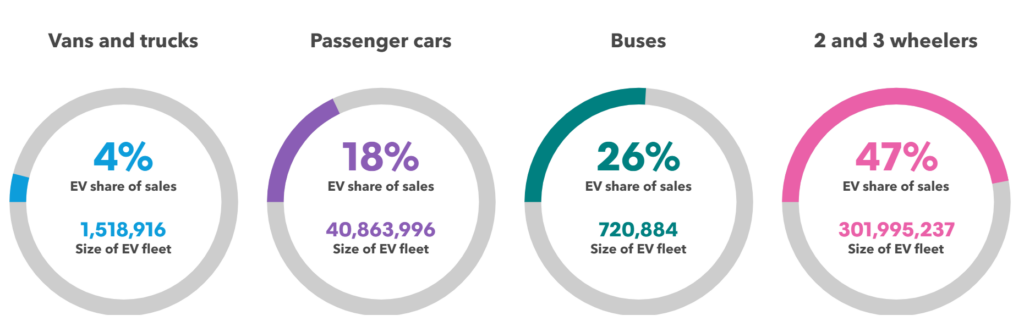
The electric vehicle (EV) ecosystem consists of an interconnected network of software-defined vehicles, charging stations, EV supply equipment (EVSE), smart grids (OT), and more – all governed by software.
Cyber threats to EV charging infrastructure are of major concern, as attack paths for malicious actors include supply chain vulnerabilities, keyless entry exploits, vehicle-to-grid (V2G) comms, Over-the-Air (OTA) updates, and more.
The risks are further compounded when you factor in IoT and OT attack surfaces and smart grids, which create more complex and interconnected systems vulnerable to exploitation. C2A Security compiled a list of 30 key statistics that encompass the entire EV ecosystem, from market size and future projections to EV vulnerabilities, charging stations, and infrastructure.
Here are 30 EV ecosystem statistics in 2024-2025 and beyond that you should know about.
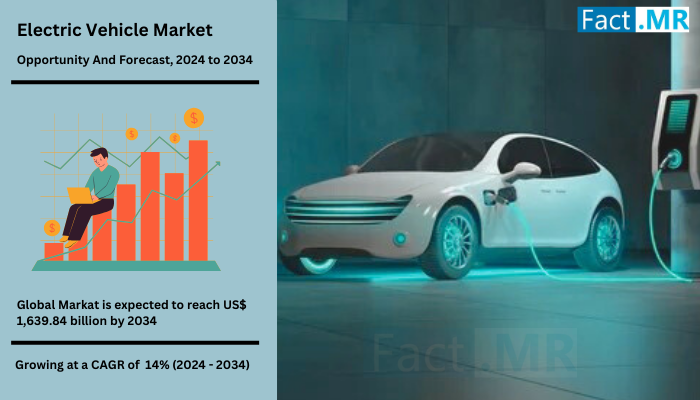



An unpatched vulnerability can serve as an access point for a malicious actor to disrupt a fleet of EV charging stations with a DDoS attack, or even compromise the smart grid through an unsecured endpoint.
C2A Security’s EVSec Platform empowers software-defined companies to develop more secure products and solutions across the entire EV ecosystem. From vulnerability management, asset management, analyzing SBOMs, and context-driven risk management, C2A Security helps product teams to manage their security posture throughout the product lifecycle.
Automate cybersecurity processes and gain visibility over all assets with the EVSec platform.
Schedule a demo today to learn more.